Protective masks and respirators – the key differences
Function, protection class and fit go together. Here are the essentials to help you make an informed product choice.
The term protective mask covers different products. Their function depends on their construction, materials and the requirements against which the particular model is tested. A medical face mask and a particle-filtering half mask therefore serve different purposes.
With respirators, inhaled air passes through filter material. For the intended function, the seal must also fit the face. Medical masks primarily aim to limit droplets in exhaled air, with further requirements depending on the type. Similar appearance alone does not reliably indicate function.
The standards also differ: EN 149 concerns particle-filtering half masks, while EN 14683 concerns medical face masks. A standard number identifies the relevant testing framework. Check the specific product information and manufacturer’s instructions to establish which model suits the application and how to use it. The FAQ on masks and protection classes explains this classification in more detail.
An overview of mask types
What types of protective masks are available?
FFP2 and FFP3 respirators
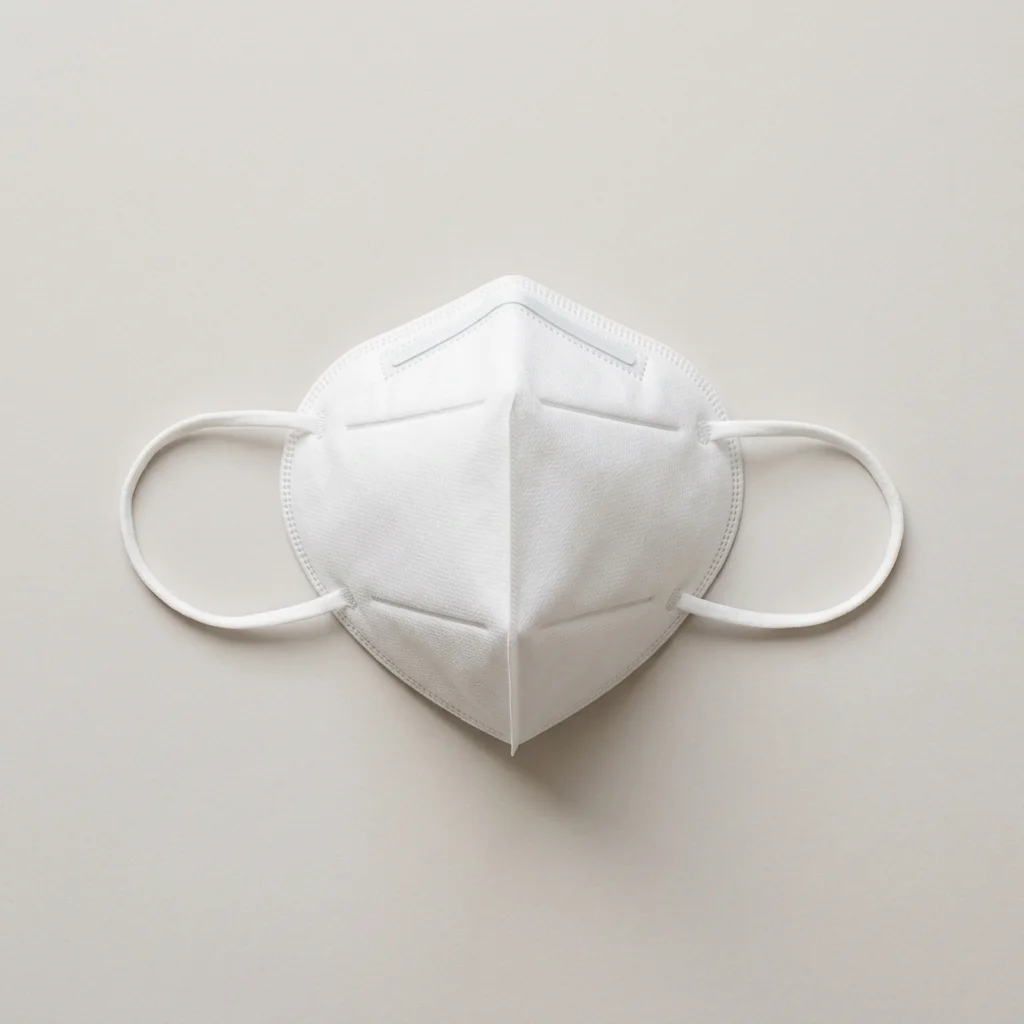
FFP2 and FFP3 are classes of particle-filtering half masks under EN 149. These masks consist largely of filter material and come in different shapes, sizes and strap designs. The class describes requirements for the tested product; the design also affects how well a model fits an individual face.
FFP2 and FFP3 differ in their requirements for filtration and total inward leakage, among other things. Selection depends on the intended application. Information about the differences between FFP protection classes helps explain the classification; please contact us with questions about specific models.
Type IIR medical masks
Medical masks are also known as surgical masks or mouth-and-nose coverings. EN 14683 distinguishes Types I, II and IIR. Type IIR includes an additional requirement for resistance to liquid splashes. This designation is distinct from the FFP classes under EN 149.
Follow the information for the specific mask: orientation, fastening, intended use and handling. Read the packaging and instructions. A Type IIR marking does not automatically make a product a close-fitting FFP respirator. Further answers are available in the Protective mask FAQ.
Additional hygiene and protective products: Gloves, disinfectants and other items have their own intended uses and product information. They do not replace choosing a suitable mask. If you need several product types or larger quantities, send us a product and quantity enquiry. Current models and availability need to be confirmed individually.
FFP2 masks Switzerland
FFP2 masks: standard, fit and design
FFP2 is a class of particle-filtering half masks under EN 149. Protection class, markings and a suitable design all matter. The chosen model must fit correctly to perform its intended function; the class alone does not replace this check.
Product information
With information on standards and CE marking.
Different fits
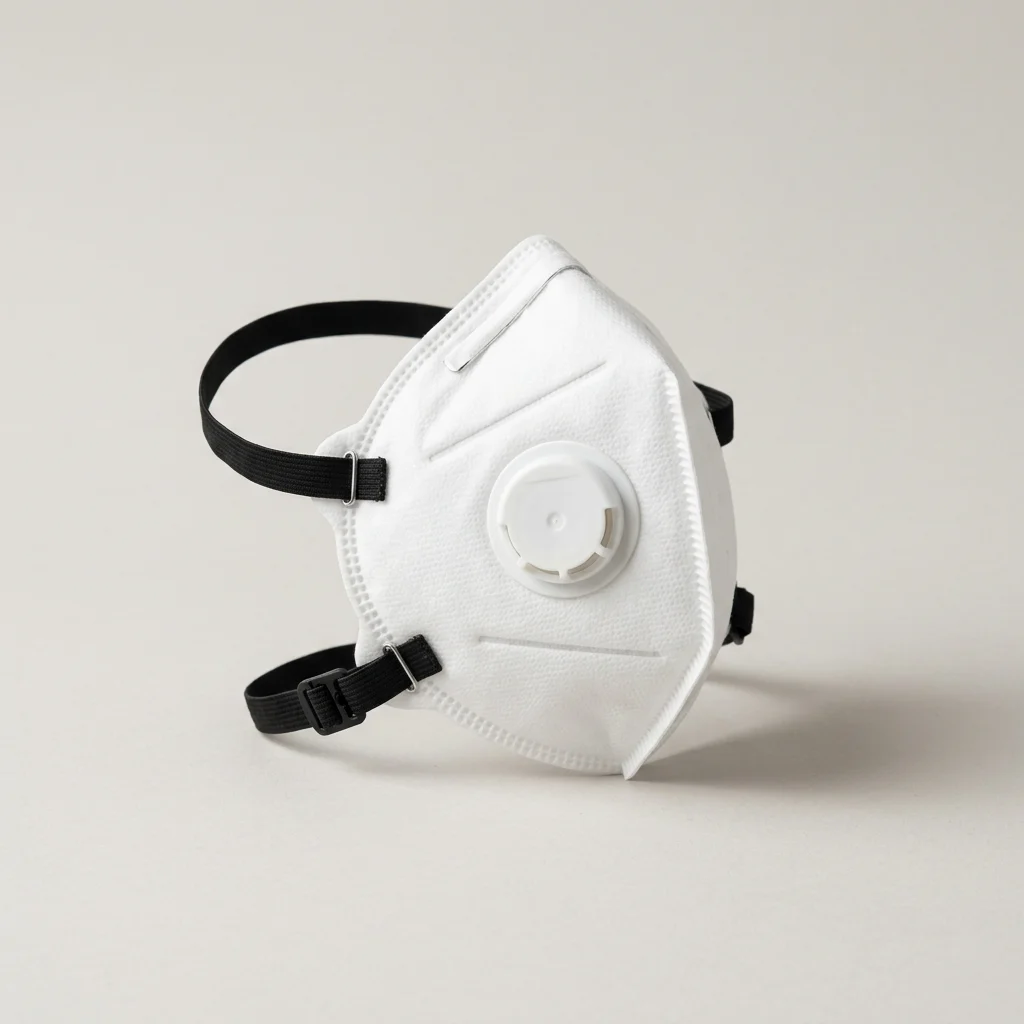
Fold-flat masks, 3D shapes, ear loops or head straps.
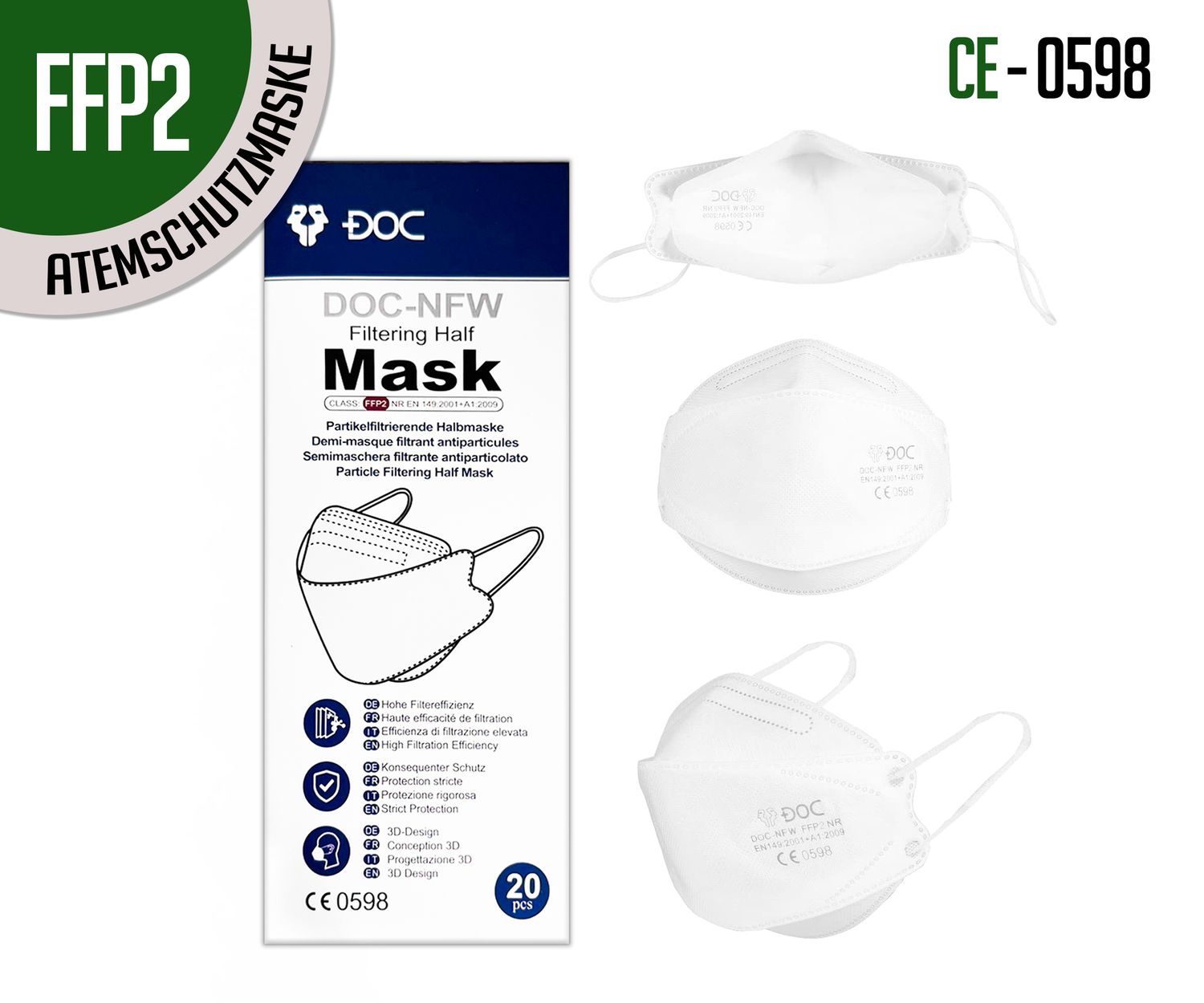
EN 149 sets requirements and test methods for particle-filtering half masks. FFP2 is one class; FFP3 has higher requirements for filtration and total inward leakage. Markings and conformity documents must match the exact manufacturer and model. A generic certificate image is insufficient.
Read the information on the mask, packaging and instructions together. These also describe intended use and handling. For questions about standards and product details, please contact us with the model concerned for clarification.
Fit and designs with or without a valve
Fold shape, size and straps affect whether an FFP2 mask can be fitted properly. The seal should sit against the face as specified by the manufacturer. Choosing a higher class does not automatically make a poorly fitting model suitable.
An exhalation valve may reduce exhalation resistance. It also matters how that model directs or filters exhaled air. Suitability with or without a valve therefore depends on construction, product information and application. The FAQ on fit and valves provides further guidance.
Protection classes compared
Respirators compared
FFP masks primarily protect the wearer; medical masks mainly protect those around them. This overview shows the key differences at a glance.
General classification under EN 149 and EN 14683. The information and conformity documents for the individual product take precedence.
EN 149 defines FFP1, FFP2 and FFP3 for particle-filtering half masks. Differences include requirements for filter penetration and total inward leakage. Testing under defined conditions describes the product; fit and correct use remain essential.
The cards show the frequently compared groups FFP2, FFP3 and Type IIR. Type IIR medical masks fall under EN 14683, with a different product and testing framework. Compare intended use first, then the relevant product information. The FAQ on mask types and standards explains the terms. Further details are available in our protective mask comparison.
Understanding requirements
Respirators for different applications
Respiratory protection requirements may differ between workshops, production, maintenance and areas with particular hygiene requirements. Actual exposure and the planned workflow matter. An industry label alone does not determine a specific protection class.
EN 149 distinguishes FFP1, FFP2 and FFP3. In workplaces, the required class and design are established through the workplace assessment and applicable requirements. Fit, wearing conditions and suitability of the specific model also matter. A higher class number is not automatically a better choice for every application.
Describe the application: Specify the task and conditions so product information can be compared effectively.
Consider the requirements: Coordinate selection with the responsible person at work and follow the manufacturer’s information.
Specify the model and quantity: Straps, shape, pack size and required quantity all belong in a clear enquiry.
Standards, markings and conformity documents answer different questions. What matters is that the information matches the specific manufacturer and model and provides understandable product information.
FFP2 / FFP3
EN 149
Particle-filtering half masks
Sets requirements for filtration, leakage and breathing resistance. Applies to FFP1 to FFP3 respirators.
Medical masks
EN 14683
Medical face masks
Distinguishes Types I, II and IIR. Type IIR is additionally tested for fluid resistance.
CE marking
CE
Product-specific conformity information
Marking for declared conformity with applicable requirements. Its meaning, documents and additional details must be checked for the specific product.
Tested quality & transparent product information
Read the markings, packaging and instructions together. Manufacturer, model and applicable standard should be clearly identifiable. Respirators also have a class and other product-specific information; for medical masks, check the type.
Applicable standards, tests and conformity information are product-specific and listed on the respective product page.
Understanding CE and testing bodies: CE marking must be understood in its particular conformity framework. Whether a notified body is involved and which identification number applies depends on the product type. A four-digit number is not a universal requirement for every medical face mask. References such as TÜV, SGS or DEKRA must relate to the model for which supporting evidence exists.
Check the model documents: Check where the conformity information and instructions are available. If details are unclear or inconsistent, ask for the model-specific documents. The protective mask FAQ on product information explains the key terms.
Understanding medical mask types and how they differ from FFP respirators.
Read guide
: EN 14683 and Type IIR – what does it mean?
Guides
Buying guidance
Buying protective masks – what matters?
Which protective mask suits the application?
First describe why you need the mask and which requirements apply. Respirator class, mask type and design are different factors. Compare products within their intended use and consider workplace requirements where relevant. This leads to a specific selection question rather than a general search for the “best” mask.
What should you look for in the markings?
Manufacturer, model, relevant standard and class or type should be clearly identifiable. Check the packaging and instructions and match conformity information to the specific model. Additional test marks or references to a testing body are only helpful when their relationship to the product is clear. The explanations of standards and markings help you understand this information.
Why does fit matter?
Faces and mask models differ. Consider size, design and straps and check the fit according to the instructions. A close seal against the face matters for respirators. Do not choose solely from a photo or protection class: the model must also fit correctly.
Planning pack sizes and business quantities
Include your actual needs, pack sizes and any different fits required in your enquiry. For larger quantities, provide the product name, number of units and preferred date. Availability, terms and delivery arrangements are clarified for the specific enquiry. Use our contact page for product and quantity enquiries; current service information is available under Shipping & Delivery.
General handling
Using protective masks correctly: fit and handling
Check the instructions and product: Read the instructions for the specific model. Check orientation, intended use and condition. Prepare to put it on with clean hands.
Position correctly: Place the mask over the intended areas of the face according to its shape. The mouth-and-nose masks described here should cover both mouth and nose correctly.
Secure the straps: Use ear loops or head straps as specified for the model. Fastening should be stable and hold the mask in its intended position.
Adjust the nose area: If the model has a mouldable nose clip, adjust it according to the instructions. Keep the mask correctly oriented.
Check the fit: Check fit before use. For respirators, the seal against the face is crucial. Follow the manufacturer’s fit-check instructions.
Handle carefully: Avoid touching the front unnecessarily. Remove using the designated straps and follow the manufacturer’s guidance on replacing, storing or disposing of the mask.
These steps provide general guidance and do not replace the product instructions. Further use also depends on mask type, condition and intended application. Information on duration of use, reuse and storage is in the detailed FAQ, without universal hourly limits.
The main distinction is between particle-filtering half masks in the FFP classes under EN 149 and medical face masks under EN 14683. Their construction and intended function differ. Selection therefore involves mask type, application and the information for the specific model.
What is the difference between FFP2 and FFP3?
Both are classes of particle-filtering half masks under EN 149. FFP3 has higher filtration and total inward leakage requirements than FFP2. The suitable class and design depend on the application. A higher class does not replace a proper fit.
What is a Type IIR medical mask?
Type IIR is a medical face mask under EN 14683 with an additional liquid-splash resistance requirement. It is distinct from an FFP respirator under EN 149. Follow the product-specific use and handling instructions.
What does EN 149 mean?
EN 149 describes requirements and test methods for particle-filtering half masks, including FFP1, FFP2 and FFP3. Read the standard reference together with manufacturer, model, class and instructions. It does not imply suitability for every situation.
What does EN 14683 mean?
EN 14683 sets requirements and test methods for medical face masks and distinguishes Types I, II and IIR. It covers different product characteristics from particle-filtering half masks. The markings and documentation show which information applies to your model.
How important is the correct fit?
A respirator’s seal against the face is crucial. Shape, size and straps can affect fit. Put the model on according to its instructions and perform the specified fit check. Protection class alone does not ensure a suitable shape.
Can a protective mask be reused?
This depends on the product markings, manufacturer’s instructions, condition and intended use. An apparently undamaged mask is not by itself evidence that reuse is permitted. Follow the use and replacement conditions specified for that model.
Can protective masks be washed?
Only wash a mask if the manufacturer expressly allows it for that model and describes a suitable procedure. Household washing can alter materials or filtration. The term protective mask does not imply that a mask is washable.
How should protective masks be stored?
For unused masks, follow the manufacturer’s storage conditions and shelf-life information. Store them clean and protected accordingly. Whether and how a used mask can be stored also depends on intended use; there is no universal everyday rule.
How should disposable masks be disposed of?
Follow the manufacturer’s information and applicable local disposal rules. Special requirements may apply depending on occupational use or contamination. Do not leave used masks exposed and avoid unnecessary contact with their surface.
Can people with beards use respirators?
Hair along the seal can cause leaks and impair the fit, including stubble. A general assurance of suitability would therefore be incorrect. Follow the model instructions and, for workplace use, the relevant selection and usage requirements.
Protective masks with or without an exhalation valve?
An exhalation valve may reduce exhalation resistance. Check the specific design to determine whether and how exhaled air is filtered. Choose according to application requirements and product documents, rather than simply whether a valve is present.
How can I identify relevant standards and product information?
Check manufacturer, model, intended use, relevant standard and class or type. Match CE, testing-body and conformity information to the specific product. Generic logos or a certificate without a clear model reference do not replace this information.
Which protective mask suits which application?
First describe the application and its requirements. Then compare suitable product types, classes, designs and manufacturer information. Workplace requirements must be considered for occupational use. For questions about a model, send a specific product enquiry.
Order protective masks online in Switzerland
Respirators and medical masks directly from Swiss stock, with clear information on standards and markings.
Clarifying specific product questions
Provide the manufacturer or model name and the question you want to clarify from the product information. This helps us discuss shape, markings and packaging. Start with the Protective mask FAQ; a model-specific Product enquiry can be sent directly to us.
Planning needs and quantities
When supplying several people or work areas, different fits and pack sizes may matter. Tell us the required products, quantities and preferred date. Your enquiry about larger quantities helps clarify availability and terms; it does not constitute a confirmed delivery commitment.